

Category Archives: Cybersecurity

Zero-Trust for Small Business: No Longer Just for Tech Giants

Think about your office building. You probably have a locked front door, security staff, and maybe even biometric checks. But once someone is inside, can they wander into the supply closet, the file room, or the CFO’s office? In a traditional network, digital access works the same way, a single login often grants broad access to everything. The Zero Trust security model challenges this approach, treating trust itself as a vulnerability.

For years, Zero Trust seemed too complex or expensive for smaller teams. But the landscape has changed. With cloud tools and remote work, the old network perimeter no longer exists. Your data is everywhere, and attackers know it.

Today, Zero Trust is a practical, scalable defense, essential for any organization, not just large corporations. It’s about...

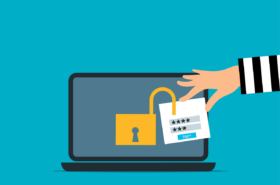
The Supply Chain Trap: Why Your Vendors Are Your Biggest Security Risk

You invested in a great firewall, trained your team on phishing, and now you feel secure. But what about your accounting firm’s security? Your cloud hosting provider? The SaaS tool your marketing team loves? Each vendor is a digital door into your business. If they leave it unlocked, you are also vulnerable. This is the supply chain cybersecurity trap.

Sophisticated hackers know it is easier to breach a small, less-secure vendor than a fortified big corporate target. They know that they can use that vendor’s trusted access as a springboard into your network. Major breaches, like the infamous SolarWinds attack, proved that supply chain vulnerabilities can have catastrophic ripple effects. Your defenses are irrelevant if the attack comes through a partner you trust.

For years, enabling Multi-Factor Authentication (MFA) has been a cornerstone of account and device security. While MFA remains essential, the threat landscape has evolved, making some older methods less effective.

The most common form of MFA, four- or six-digit codes sent via SMS, is convenient and familiar, and it’s certainly better than relying on passwords alone. However, SMS is an outdated technology, and cybercriminals have developed reliable ways to bypass it. For organizations handling sensitive data, SMS-based MFA is no longer sufficient. It’s time to adopt the next generation of phishing-resistant MFA to stay ahead of today’s attackers.

SMS was never intended to serve as a secure authentication channel. Its reliance on cellular networks exposes it to security flaws, particularly in telecommunication protocols such as